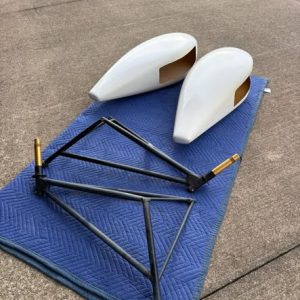
Wheel Pants & Landing Gear – For Sale gives pilots and aircraft technicians an opportunity to source aerodynamic wheel fairings, gear components, mounting hardware, and associated aviation parts. Choosing Wheel Pants and Landing Gear requires careful comparison with the aircraft records, maintenance Wheel Pants and Landing Gear manuals, existing components, and applicable installation information.
Aircraft Wheel Pants are commonly used on fixed-gear general aviation aircraft where aerodynamic shaping and wheel-area protection are important. Aircraft Landing Gear supports the airplane during taxi, takeoff, landing, parking, towing, and other ground operations.
Aviation Wheel Pants may be manufactured from composite material, fiberglass, aluminum, or other approved materials depending on the installation. Airplane Wheel Fairings may reduce turbulence around wheel assemblies while protecting selected components from dirt, water, insects, and debris.
Aircraft Landing Gear Components vary widely between fixed, retractable, tricycle, tailwheel, spring-steel, oleo-strut, and experimental installations. General Aviation Landing Gear systems are designed according to aircraft weight, speed, mission, runway environment, and structural configuration.
Whether the goal is maintenance, restoration, repair, replacement, or inventory, all landing gear and wheel-pant components should be matched to the exact aircraft application.
Understanding Wheel Pants and Landing Gear
The gear provides structural support and load absorption, while the fairings help shape airflow around exposed wheels. Wheel pants should not be treated as purely cosmetic because poor fit, loose hardware, tire interference, or structural damage can create operational concerns.
Some wheel fairings require removal or partial disassembly before normal wheel and brake inspection can be completed.
Benefits of Aircraft Wheel Pants
The actual performance effect depends on aircraft design, fairing condition, alignment, speed, and the complete landing gear configuration. Mounting hardware should secure the wheel pant without creating concentrated stress or distortion.
Owners restoring an aircraft may seek wheel pants that match the original profile, mounting arrangement, and paint scheme.
Aircraft Landing Gear Functions
Aircraft Landing Gear supports the full aircraft weight while the airplane is stationary, taxiing, taking off, or landing. Visible damage may not represent the full extent of a landing gear concern.
Fixed gear installations still require careful attention to structural attachments, fairings, axles, and hardware.
Aviation Wheel Pants Installation
Aviation Wheel Pants are shaped according to the aircraft’s wheel diameter, tire width, brake configuration, gear geometry, and aerodynamic profile. Composite wheel pants should be examined for cracks, delamination, crushed laminate, worn holes, impact damage, poor repairs, and moisture entry.
Access openings should allow required maintenance without forcing or damaging the component.
Benefits of Airplane Wheel Fairings
Fairings can also protect parts of the wheel assembly from insects, dirt, water, and light debris. Regular inspection helps identify early wear before the fairing becomes loose or contacts the tire.
Photos should show the inside, outside, lower surface, mounting holes, access panels, and all included hardware.
Aircraft Landing Gear Component Inspection
Loose torque links or steering parts can affect directional control and shimmy resistance. Qualified personnel should determine inspection and installation requirements before the component is returned to service.
Hardware should not be replaced casually with visually similar bolts, nuts, washers, spacers, pins, or bushings.
General Aviation Landing Gear Maintenance
General Aviation Landing Gear systems must support aircraft operating from paved runways, grass strips, gravel surfaces, training environments, private airfields, and commercial facilities. Coastal environments may increase corrosion risk on metal components and hardware.
Aircraft owners should monitor changes in taxi behavior, brake response, tire wear, shimmy, leaning, strut extension, steering effort, and ground attitude.
Aircraft Wheel Fairing Selection
A fairing from a similar aircraft may not fit because of differences in tire size, brake assembly, axle, gear angle, or bracket geometry. Removing excessive material during sanding can weaken thin composite or metal sections.
A complete listing should identify whether brackets, inspection covers, fasteners, nut plates, spacers, and mounting hardware are included.
Landing Gear Parts for Aircraft Maintenance
Transparent information allows buyers and mechanics to plan inspection and installation requirements. Bushings, bearings, bolts, and pins may appear minor but can influence alignment and structural load transfer.
Commercial buyers should calculate total installed cost, including inspection, repair, hardware, refinishing, shipping, documentation, and labor.
Aircraft Gear Assemblies
Buyers should request an itemized list and clear photographs of every included part. Bent or misaligned components may create abnormal wheel position even when individual parts appear undamaged.
Parts should remain identified throughout the process so left, right, forward, aft, matched, or position-specific items are not mixed.
Aviation Landing Gear Systems
Aviation Landing Gear Systems may use fixed or retractable designs with mechanical, hydraulic, electrical, spring, composite, or mixed operating principles. System knowledge supports safer decisions when normal operation is unavailable.
The aircraft should be secured properly before gear cycling or working beneath the structure.
Aircraft Undercarriage Parts Applications
Exact identification is necessary before planning installation. Drain paths and protective boots should remain functional where installed.
Heavy gear parts should be separated from lighter fairings and hardware during shipment.
Airplane Landing Gear Inspection
The system supports braking, steering, towing, and directional control during ground operations. Fairings should not prevent access to valve stems or inspection areas without suitable removal provisions.
Excessive steering angles can damage nose gear components or related linkages on some aircraft.
Aircraft Ground Handling Components
Aircraft Ground Handling Components include wheels, brakes, landing gear, steering systems, tow fittings, tires, fairings, chocks, and related hardware used during surface operations. Any contact event should be documented and evaluated before the aircraft returns to service.
Maintenance personnel should ensure that fairings do not interfere with jacking or lifting equipment.
Maintaining General Aviation Aircraft Parts
Wheel pants and landing gear items may serve specific aircraft models or approved modifications rather than a broad universal application. Detailed product information improves both SEO value and commercial credibility.
A professional transaction process protects both buyer and seller.
Landing Gear Parts Inspection Checklist
Buyers should collect enough information for qualified maintenance personnel to evaluate the offered components.
- Confirm the aircraft model, serial-number range, exact part number, left or right position, wheel size, gear configuration, and approved application.
- Review both visible and hidden surfaces under suitable lighting and remove coverings where appropriate during qualified inspection.
- Require packaging that separates heavy landing gear parts from delicate wheel fairings and protects machined surfaces.
Installing Aircraft Wheel Pants
Aircraft Wheel Pants should be installed by appropriately qualified personnel using suitable technical information and approved hardware. Tire clearance should be checked with correct inflation and normal aircraft loading considerations.
After installation, the wheel pant and hardware should be rechecked following appropriate ground operation or maintenance intervals.
Aircraft Landing Gear Replacement
A visible damaged part may be associated with additional wear or deformation in nearby structure, hardware, wheels, brakes, or alignment points. Removal should preserve identification, measurements, spacer positions, hardware locations, hose routing, and alignment references.
The aircraft may require ground tests or additional inspection before return to normal service.
Aerodynamic Benefits of Wheel Pants
Wheel pants should be described as aerodynamic components without guaranteeing unsupported speed or efficiency gains. Surface finish may influence appearance and airflow, but structural condition remains more important than polishing.
Some owners may remove wheel pants for particular operations only when permitted and handled appropriately.
Protecting Landing Gear Components
The aircraft should remain clean enough for defects and fluid stains to be seen. The inside of the fairing should be checked for rubbing, debris, fluid, brake dust, and impact marks.
Landing gear condition should be reviewed alongside tires, brakes, steering, alignment, struts, fairing brackets, and aircraft structure.
Choosing Wheel Pants & Landing Gear – For Sale
When professionally selected and installed, wheel fairings and landing gear parts can support the long-term operation and presentation of a compatible aircraft. Careful technical and commercial evaluation can reduce compatibility problems, project delays, repeat repairs, and unnecessary expense.
Whether the goal is repair, restoration, replacement, aerodynamic improvement, or inventory, qualified oversight provides the strongest foundation. With verified compatibility, careful inspection, correct hardware, professional installation, and routine maintenance, these components can provide dependable long-term value.